Available courses

Thid module equips students with the essential knowledge and skills to provide excellent customer care within the medical pathology and blood transfusion environment. It emphasizes the importance of understanding the customer's perspective, managing expectations, and ensuring respectful, empathetic communication throughout all interactions. Key components include identifying customer types, assessing satisfaction, and handling complaints constructively. Students will also gain tools to measure the quality of customer service, supporting continuous improvement in healthcare delivery.
Learning units include:
  1. Customers
  2. Customers' expectations and the impact of customer service
  3. Empathy and customer service
  4. Communication skills
  5. Managing customer complaints
  6. Measure quality of customer care

📢 Welcome to the Module!

❗ Very Important Information ❗

Welcome! We're excited to have you on this learning journey. Please take note of the following guidelines to help you succeed:

  • All 📚 lessons📖 activities📑 assignments, and 📝 tests are interlinked 🖇️.
  • You will not be able to access certain content unless you have completed the required preceding tasks.

✅ Preparing for the Knowledge Assessment?

Make sure to use all available resources, including but not limited to:

  • 📊 Slides
  • 🌐 Moodle content
  • 📘 Manual
  • ✅ Checklists
  • 📄 SOPs
  • 🎥 Videos

Use everything at your disposal to make the most of this module. You've got this! 💪


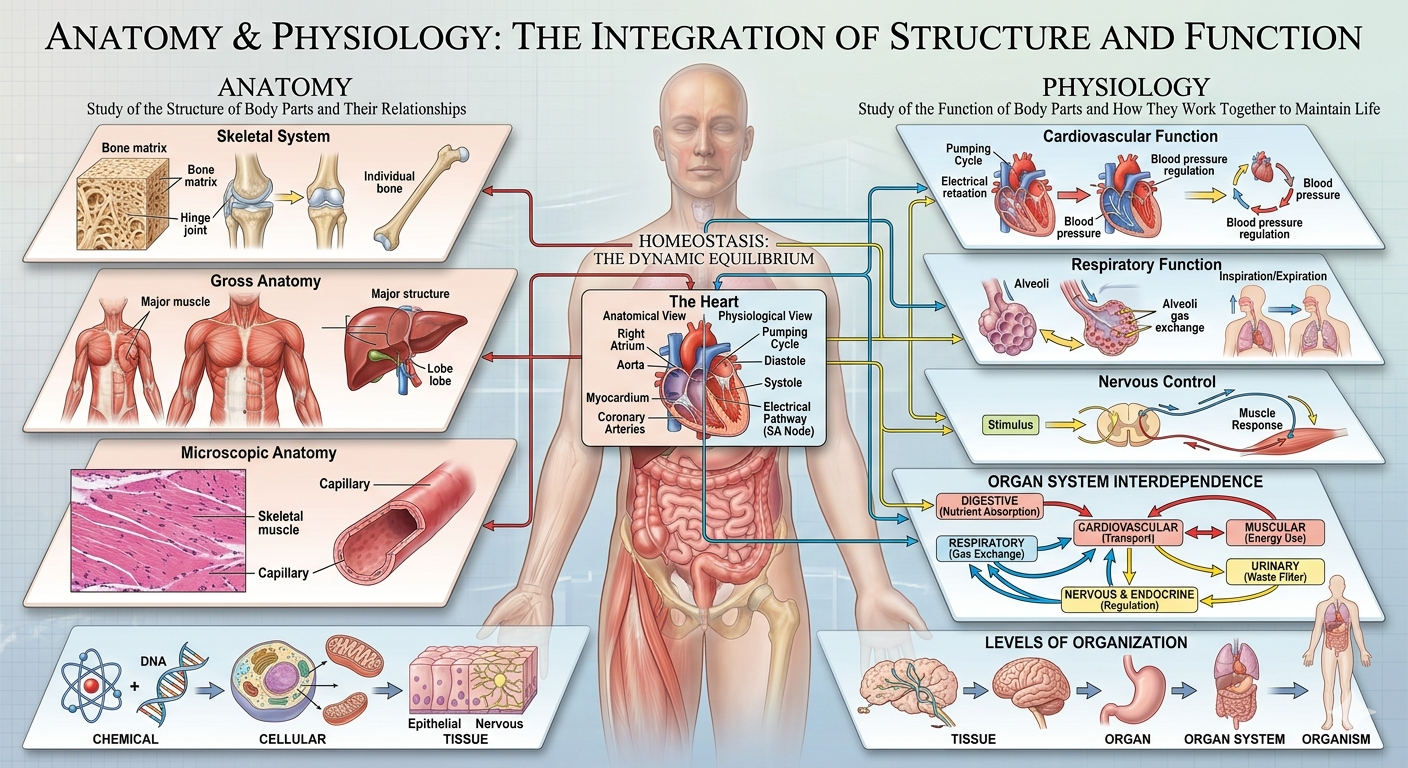
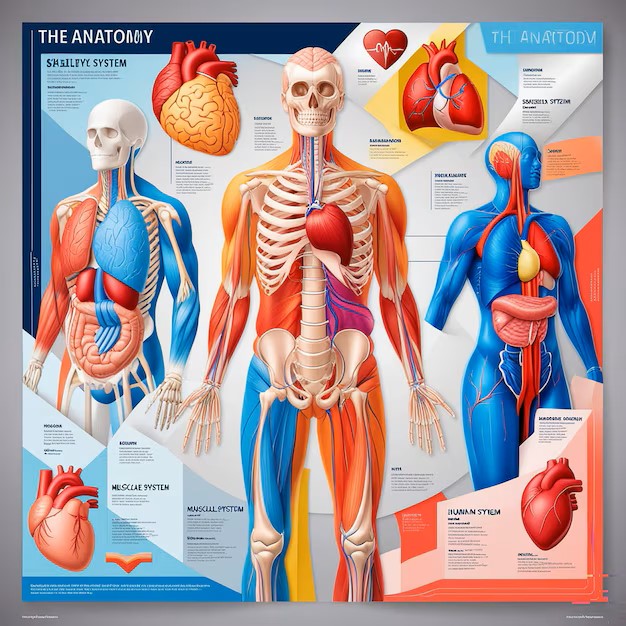
Welcome to the Anatomy & Physiology module. 

It is hoped that this module will equip you with the necessary knowledge of the 12 body systems, pathology related to those systems, relevant medical terminology and  laboratory tests. As a Phlebotomy Technician, you should master this module to optimally service your clients.

All the best!

The ALS Team


The course is designed to prepare you for a successful transition into the healthcare work environment, with the focus on your role as the phlebotomist. It introduces the key aspects of workplace culture, safety, organizational hierarchy and the company values.

There are four learning units:
  1. Orientation- Covers workplace expectations, professional conduct, and adapting to the healthcare environment.
  2. Duties of a Phlebotomist- Explores the key responsibilities, scope of practice, and the importance of accuracy and patient interaction in blood collection.
  3. Informed consent- Introduces the legal and ethical foundations of obtaining consent, ensuring patient autonomy and compliance with healthcare regulations.
  4. The medical treatment cycle- Provides an overview of the patient care process, cycle of the sample, from initial consultation to diagnosis, treatment and follow-up.

Thid module equips students with the essential knowledge and skills to provide excellent customer care within the medical pathology and blood transfusion environment. It emphasizes the importance of understanding the customer's perspective, managing expectations, and ensuring respectful, empathetic communication throughout all interactions. Key components include identifying customer types, assessing satisfaction, and handling complaints constructively. Students will also gain tools to measure the quality of customer service, supporting continuous improvement in healthcare delivery.

Learning units include:
  1. Customers
  2. Customers' expectations and the impact of customer service
  3. Empathy and customer service
  4. Communication skills
  5. Managing customer complaints
  6. Measure quality of customer care

The course is designed to prepare you for a successful transition into the healthcare work environment, with the focus on your role as the phlebotomist. It introduces the key aspects of workplace culture, safety, organizational hierarchy and the company values.

There are four learning units:
  1. Orientation- Covers workplace expectations, professional conduct, and adapting to the healthcare environment.
  2. Duties of a Phlebotomist- Explores the key responsibilities, scope of practice, and the importance of accuracy and patient interaction in blood collection.
  3. Informed consent- Introduces the legal and ethical foundations of obtaining consent, ensuring patient autonomy and compliance with healthcare regulations.
  4. The medical treatment cycle- Provides an overview of the patient care process, cycle of the sample, from initial consultation to diagnosis, treatment and follow-up.

Course IDs: 119469, 119457, 119459, 119465, 119467, 119471, 119472, 119462

At the end of the TQM e-learning course you should have an understanding of the following concepts:


1. What does quality mean to you 
2. What would happen if there wasn't a management system 
3. What did ampath put in place 
4. What is iso 
5. Definitions and terminologies 
6. How did we apply this in ampath 
7. Iso clauses 
8. What does implementation of the management system mean 

Once you are done with the theory which will take 3 days to thoroughly understand,

You will take the Online e-learning test and will need to obtain 80% to pass the Module


Welcome to the HIV/AIDS counselling course. We are excited to have you join us on this journey. This course is equipped to give you both theoretical knowledge and practical skills to strengthen your understanding and to contribute to better quality patient care with regards to HIV and AIDS prevention, treatment and testing. 🤝

Course Structure📚

Day 1 and 2 comprises of your theory.

· Read the course manual

· Watch PowerPoint slides that explain key concepts.

· Complete individual activities to apply what you’ve learned.

· Read articles to expand on your knowledge

· Test your theory with quizzes at the end of the module.

Day 3 – Practicals

Hands on sessions to practice skills in real world situations.

How to Navigate the course🔍

Each day is divided into learning units.

· Day 1: Learning unit 1-4: Complete them for the best learning experience.

· Day 2: Learning unit 5-8 and Summative assessment.

PowerPoint slides: Click the play button to watch. Take notes as you progress. Recommended videos to watch are embedded into the PowerPoint slides.

Activities: Look out for activity prompts included in the PowerPoint slides—these may include case studies, matching exercises, or short reflections.

Quizzes: Complete the quiz to check your understanding at the end of each day.

Quizzes are timed and you have 3 attempts to move onto the next activity.

Progress Tracking: Your dashboard will show which learning units you’ve completed and what’s next.

Tips for success:

Please follow all instructions from PowerPoint slides, you will not be able to progress onto the next activity until the previous activity is completed.

Set aside time each day to stay on track.

Do not skip the quizzes, they help to enforce knowledge.

On day three, there will be a practical assessment done onsite, where you will be required to conduct an actual counselling session which is a pre-test and a post-test session.

I have included notes for the counselling sessions which you may refer to and use as guidelines to ensure everything is covered with your client.

Please bring your curiosity and be ready to practice what you’ve learnt!

If you have any questions, please feel free to ask on any of the platforms and we will address any of the concerns that you might have.

Have fun! 💃

Your first requirements:

1.   Complete the Photo consent for social media✔️

2.   Complete the Confidentiality Agreement✔️

3.   Complete the Pre-course Questionnaire✔️


Knowledge on stock control in relation to Phlebotomy & Ampath Laboratories processes.

This course is for presentation purposes

This course is for presentation purposes

This course for training purposes

This course for training purposes

This course is for all Phlebotomy students to read and acknowledge all the relevant SOP's. This is compulsory for all students.

Please read each SOP, ensure you understand its content, then complete the acknowledgement form that follows.

Thank you.

This course has the recordings and documents covered in the Induction for the Y1-2025


This course is the acknowledgement of SOPs solely by employed Ampath students in the Y1-2026 group. It is compulsory.

Please read the SOP, ensure you understand the content, then complete the acknowledgment form that follows.

Thank you.

This course is for presentation purposes

Hi all, please forgive me as I am only troubleshooting.

I'm using Moodle to acknowledge our meetings and SOP's going forward as TQM's Microsoft Acknowledgement form is no longer available.

This allows me to still draw up a spreadsheet and have the information readily available, given the Audit as well.